Blog · 19 November 2026
Minimum order, capacity, samples, payment and shipping — the eight questions that separate a reliable shirt manufacturer from a risky one.
Why Turkey for shirt production?
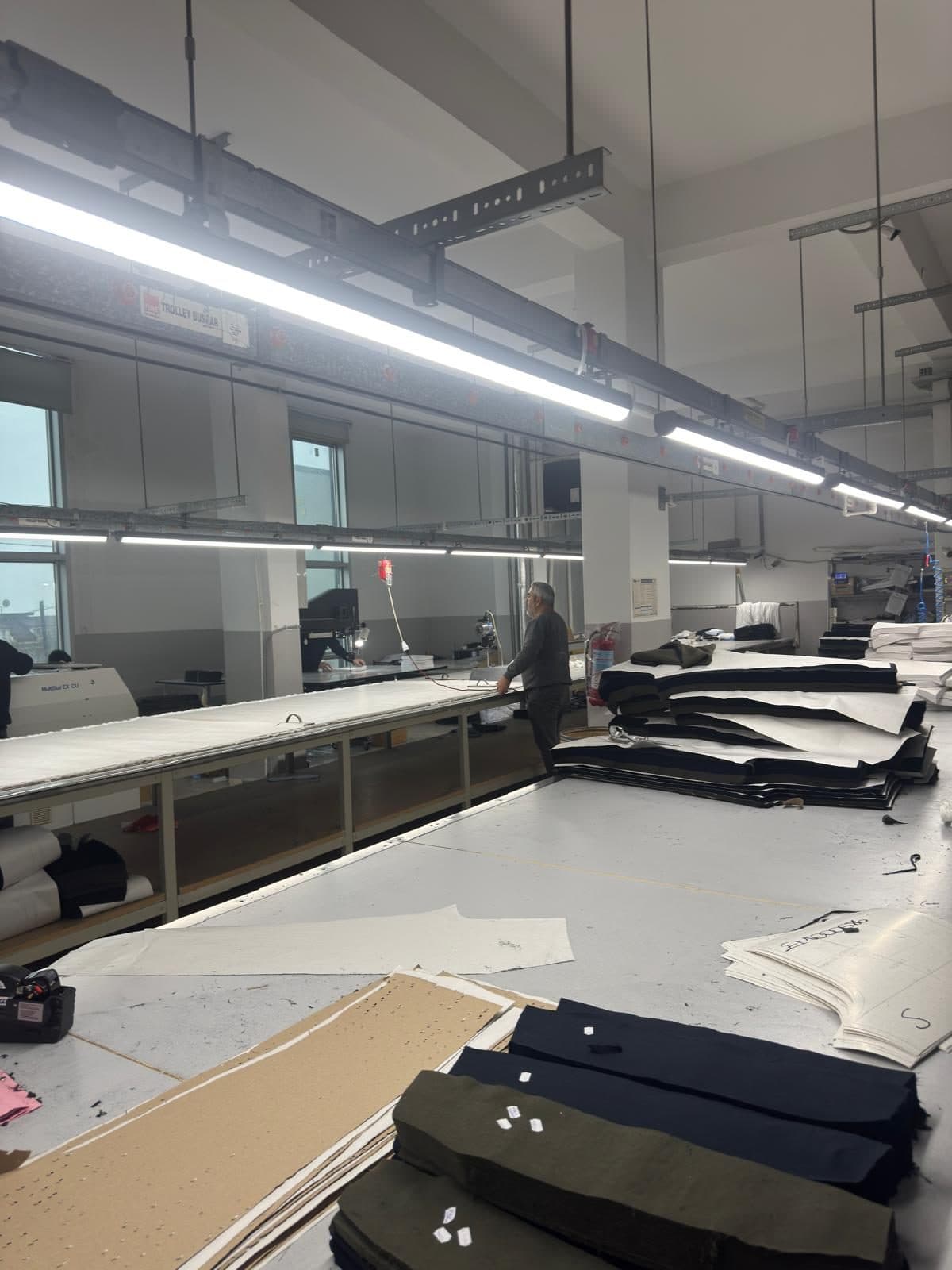
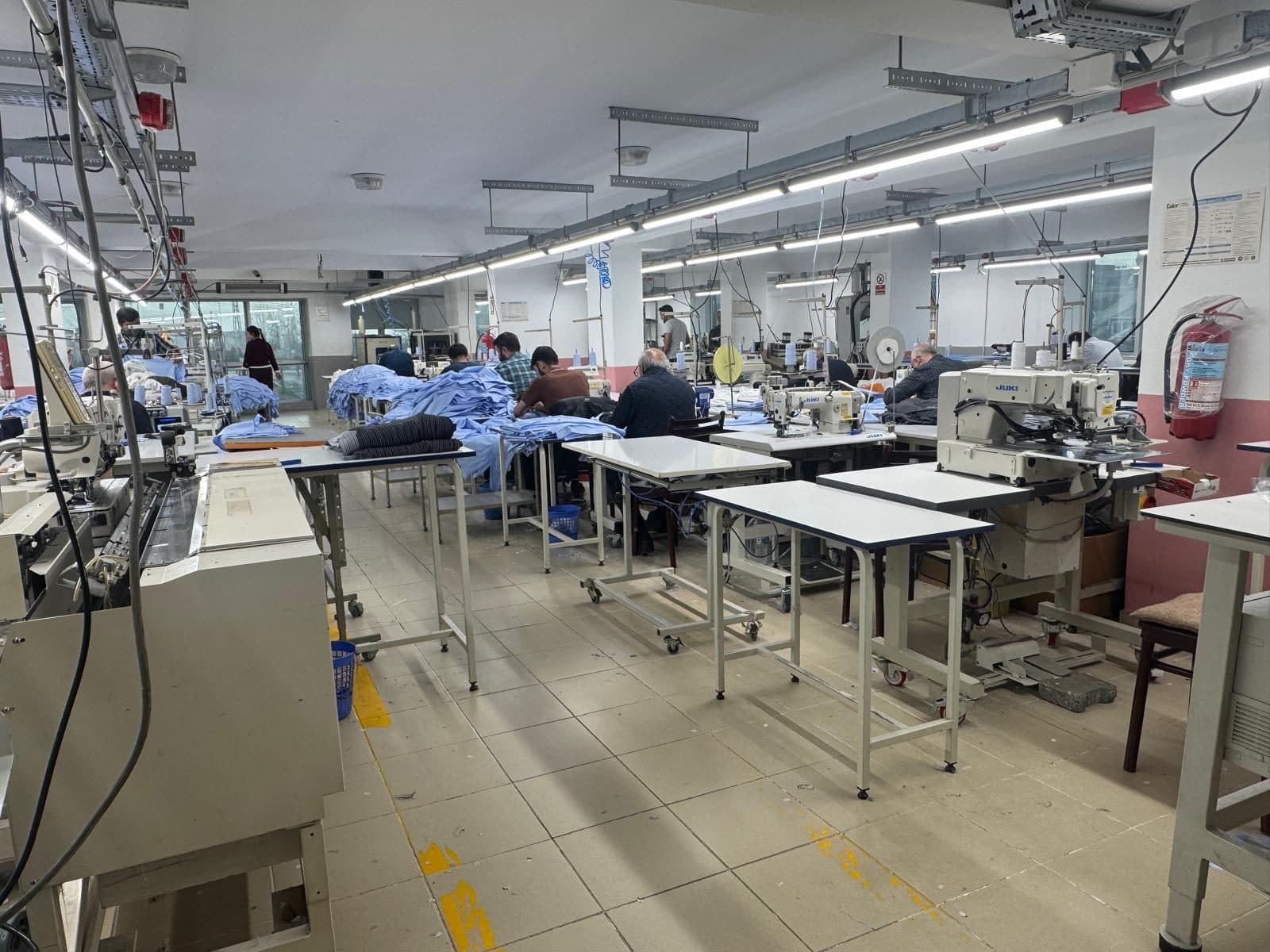
Türkiye is one of Europe's largest clothing producers and has a long tradition in woven shirts. For buyers in the UK and the EU, the main advantages are proximity — goods travel by road in days rather than weeks by sea — and the ability to visit the factory, approve samples quickly and reorder in smaller quantities.
That flexibility only pays off if you pick the right partner. The checklist below is what we would ask ourselves if we were buying.
1. What is the real minimum order?
Minimum order quantities (MOQ) are often quoted in pieces, but for a shirt maker the true limit is fabric: a dyed or woven fabric is bought by the bolt. Ask how many metres per colour and per style are required — that tells you how many shirts one colour really needs.
Small MOQs matter for new brands, test drops and uniform programmes for a single venue. Large MOQs are fine for proven styles, but they tie up cash in stock.
2. How much can they make — and where?
Ask for monthly capacity and whether it is in-house or through partner workshops. Both are normal in the industry; what matters is transparency. In-house capacity gives control over quality and timing; partner capacity lets a manufacturer take on large roll-outs without turning you away.
- Pieces per month in their own production
- Additional capacity through partners, and how quality is checked there
- How your order is scheduled when the factory is busy
3. Can they work from your sample or tech pack?
A good manufacturer will work from a tech pack, a sample garment or even a photo — and will tell you honestly what needs clarifying: collar construction, interlining, button type, seam finish, measurements per size. The more of this is agreed in writing before production, the fewer surprises later.
4. Fabric choice and sourcing
Ask which fabrics they can source and what they recommend for your use. A fashion shirt, a hotel uniform and a promotional shirt need different fabrics: cotton for comfort and a premium feel, poly-cotton blends for easy care and frequent washing, polyester for colour-fast, hard-wearing promotional runs.
Fabric origin also matters for customs: for the UK, whether a shirt qualifies for tariff-free import can depend on where its fabric was made.
5. Payment terms
Clear payment terms are a sign of a professional supplier. Common structures are a deposit on order with the balance on approval of the goods, or a bank-confirmed letter of credit. Avoid paying 100% up front to a supplier you have not worked with before.
6. Lead times and approval
Ask for a production plan with dates, not just "four to six weeks". Agree where and how the finished goods are inspected and approved before shipping — ideally at the factory, before the balance is paid.
7. Labels, packaging and documents
Private label buyers need their own brand labels, care labels and packaging. Ask what is included and what costs extra. For export, the manufacturer should prepare the commercial invoice, packing list and origin documents your freight forwarder needs.
8. Reorders
Finally, ask how reorders work. Can the same fabric and colour be sourced again? Are patterns kept on file? For uniforms and best-selling styles, consistency from one order to the next is often more important than the first price.
Frequently asked questions
What is a typical MOQ for shirts in Turkey?
It varies by manufacturer and fabric. Some require several thousand pieces; others, like us, produce from one bolt of fabric — 100 metres in one colour for one style.
Do I have to visit the factory?
It helps, but it is not required. Samples, photos and video calls cover most of the process; final approval of the goods can be done at the factory or by an inspector.
How are shirts shipped from Turkey to the UK or EU?
Usually by road freight. Your freight forwarder handles transport and customs; the manufacturer provides the invoice, packing list and origin documents.